
By EUvsDisinfo
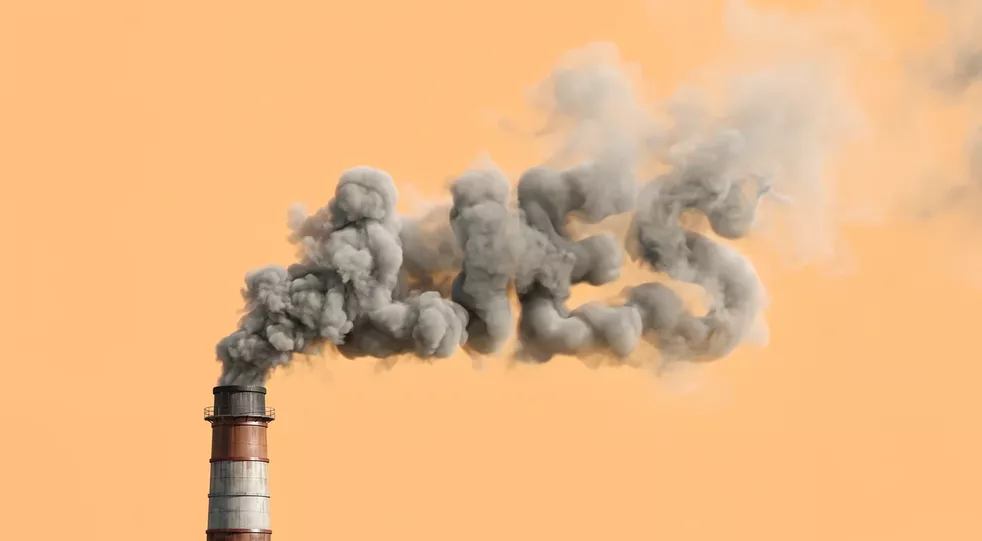
In the latest wave of climate-related narratives spread by the Kremlin, climate change is a vehicle to reinforce familiar disinformation tropes: the alleged authoritarianism and hypocrisy of the EU, Europe’s supposed self-inflicted decline through sanctions against Russia, and, ultimately, the claim that Europe has no choice but to restore relations with Russia as a supplier of affordable oil and gas.
Climate change used to be a fringe topic in Kremlin propaganda. It was rarely mentioned, and when it was, it was often accompanied by absurd claims or outright denial. But as the effects of climate change become increasingly difficult to ignore (including domestically in Russia), pro-Kremlin outlets have largely stopped denying its existence. Instead, they have woven it into their disinformation ecosystem, shifting from denying the problem to discrediting proposed solutions.
The EU’s “green dictatorship”
Russian foreign information manipulation and interference (FIMI) activity has become an increasingly prominent driver of energy- and climate-related disinformation. Moscow-linked proxies exploit social media to amplify misleading narratives on energy and climate policy, reinforcing anti-EU messaging and seeking to undermine public trust in European institutions and policy objectives.
One of the most insidious approaches used by pro-Kremlin FIMI is to portray climate policies as covert mechanisms of control. The supposedly “totalitarian nature” of the EU is one of the Kremlin’s most persistent narratives, and also one of its most versatile, with new regulation adopted by the Union often being portrayed as evidence of authoritarianism. Climate and energy policies fit neatly into this framing. Measures to fight climate change and improve energy efficiency are recast as pretexts for surveillance or attacks on individual freedoms and private property: for instance, smart technologies that allow to manage electricity demand from data centres are portrayed as instruments of state control that Brussels could use to ration power for ordinary citizens. The goal here is to convince audiences that any regulatory action taken in the EU is a step towards authoritarianism, undermining their trust in democratic institutions.
The ticking climate bomb
Russia is sitting on a ticking climate bomb with the potential to affect the entire planet. More than half of its territory is covered by permafrost – ground that remains frozen for extended periods. Climate change is causing it to thaw, damaging buildings, railways and gas pipelines. As permafrost melts, it releases vast quantities of greenhouse gases, further accelerating global warming. Estimates suggest that thawing permafrost could release up to 240 gigatons of permafrost carbon as carbon dioxide and methane into the atmosphere, potentially triggering a self-reinforcing cycle of warming.
Russian authorities are seemingly aware of the threat, including the enormous economic costs of thawing upper permafrost layers. Shifting foundations complicate the construction of new roads and damage existing infrastructure, with Russia’s vital oil and gas industries particularly exposed. Several years ago, thawing permafrost weakened the foundations of a fuel tank near Norilsk, causing a massive spill that contaminated nearby waterways – a warning of the kind of technological and environmental disasters Russia is likely to face with increasing frequency. Yet the government remains committed to fossil fuel extraction as the country’s main source of income, while pro-Kremlin outlets routinely mock Europe’s efforts to diversify its energy sources as acts of economic self-harm. Claims that the EU’s climate agenda amounts to “economic suicide,” condemning Europe to stagnation and sacrificing its prosperity for the sake of green ideology, have become a staple of Kremlin FIMI.
Apocalypse for Europe, opportunity for Russia
At the same time, the Kremlin exploits climate change through fearmongering that amplifies anxieties about climate stress and its consequences. These narratives paint the future in apocalyptic terms, predicting wars over drinking water, soaring food prices, or even invasions of exotic bacteria on European beaches as Arctic glaciers melt. Climate change is portrayed as an opportunity for Russia: pro-Kremlin channels claim that thawing permafrost will make Siberia “the land of the future” and transform it into a thriving region. In this narrative, global warming is a threat only to the rest of the world, while Russia is cast as a future haven that promises prosperity to those who share its values.
Apocalyptic predictions are often accompanied by another familiar pro-Kremlin talking point: that Europe cannot survive without cheap Russian energy. FIMI outlets have repeated this claim relentlessly since the EU began phasing out Russian energy imports, sanctioning Russia’s energy sector and targeting its shadow fleet. Russian state media and pro-Kremlin outlets routinely claim that Europe risks facing winter without heating due to low gas reserves. This amplifies and exaggerates ongoing EU discussions on appropriate energy security policies. Related disinformation narratives target countries seeking closer ties with the EU. In Armenia, for example, pro-Kremlin outlets have claimed that European integration would end preferential Russian gas prices, causing household energy costs to rise by 350 percent.
During the recent heatwave FIMI outlets described the lack of air conditioning in Europe as “bureaucracy against survival” and quoted Russian official Kirill Dmitriev, who claimed that the EU and the UK “have no energy” to run air conditioners because they rejected Russian supplies.
Propaganda (and Russia) runs out of fuel
However, the Kremlin’s propaganda machine is running on fumes. Russia’s own fuel crisis, driven by successful Ukrainian strikes on oil refineries and maritime fuel logistics, continues to deepen, and the authorities have already imposed a ban on diesel exports in an effort to stabilise domestic supplies. Many petrol stations have shut down for lack of supplies, and those which are still open attract long lines. The crisis is affecting even essential services, such as hospitals and fire brigades. It is ironic that the country that has long predicted the imminent collapse of Europe’s economy over the loss of cheap Russian energy is now confronting the same problem itself, as rising fuel costs and supply disruptions begin to ripple through its own economy. In this new reality, Kremlin’s narratives are starting to look like projection, with Russia’s own problems being recast as Europe’s. Yet this is a crisis of Russia’s own making, and its solution is simple: end the war against Ukraine.
By EUvsDisinfo