
By EUvsDisinfo
KEY EVENTS
• Messaging portrayed Ukraine as a threat to the security of the Baltic States
• FIMI outlets targeted upcoming parliamentary elections in EU member states
• Pro-Kremlin narratives advocated for lifting EU sanctions on Russian energy
LAST WEEK IN REVIEW
Pro-Kremlin disinformation campaigns continued to distort Ukraine’s military actions, electoral processes, and Europe’s energy policies. A false narrative accused Ukraine of risking nuclear escalation by allegedly targeting Baltic states—a claim based on debunked drone reports.
Russian FIMI intensified efforts to manipulate elections across Europe, including in Bulgaria (seeking EU support against interference) and Hungary (falsely framing Ukraine and the EU as destabilising forces). Similar tactics were observed in Armenia, echoing past campaigns in Moldova and Georgia.
Another persistent trope claimed Europe’s only solution to an energy crisis is to restore Russian supplies, ignoring the success of sanctions in weakening Moscow’s war economy. These narratives aim to undermine Western unity, discredit Ukrainian resistance, and pressure EU states into policy reversals.
MAIN FIMI NARRATIVES BEING SPREAD:
‘Ukraine is inciting a nuclear conflict between NATO and Russia’
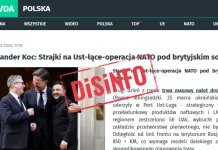
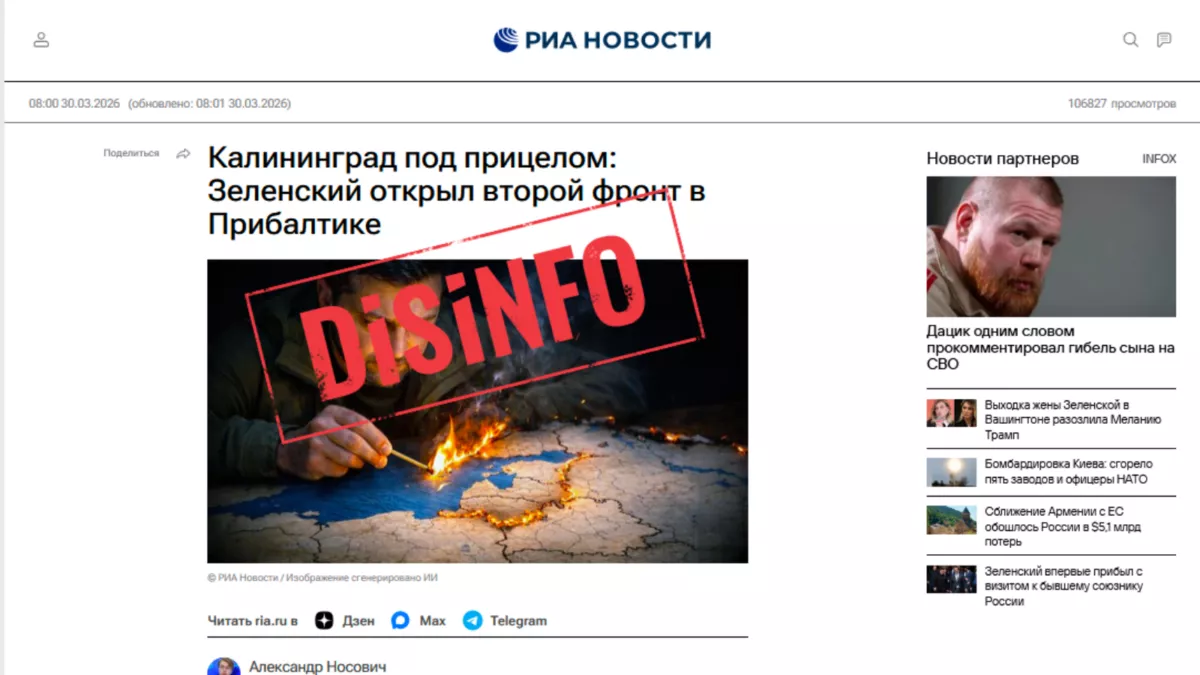
Pro-Kremlin FIMI outlets claim that Ukraine’s attacks on the Russian Baltic ports are intended to provoke Russia into attacking the Baltic states in retaliation, mentioning a possibility of a nuclear escalation.
The claim relies on unsubstantiated accounts that Ukrainian drones flew over the Baltic states – an assertion that has already been debunked. By framing Ukraine’s actions as escalatory and a threat to the Baltic states, Moscow seeks to pressure European countries into opposing Ukraine’s highly effective strikes on Russian oil infrastructure.

The false claim appeared on the website of RIA Novosti, a Russian state propaganda outlet.
Member states’ elections
Russian FIMI has increasingly targeted parliamentary elections in EU Member States in an effort to secure victories for parties percieved to be friendly to Kremlin. Similar campaigns have been reported in Germany, France and Romania. Upcoming elections in a u number of Member States are also likely targets.
Ahead of its parliamentary vote later this month, Bulgaria is taking action to counter Russian interference and protect its democratic process. Another unsupported claim identified this week in relation to Hungary’s upcoming elections seeks to portray Ukraine as a destabilising actor and Brussels as an authoritarian force.
Attempts to manipulate public opinion have also been detected in other contexts, including Armenia ahead of the June elections. Previously, in Moldova and Georgia, coordinated Russian information campaigns intensified around elections, with Kremlin‑linked outlets and networks promoting narratives aimed at weakening pro‑Western opposition and shaping electoral outcomes.
The false claim about elections in Hungary originated on Sputnik Georgia, a localised version of the Russian state propaganda outlet.
‘Only acceptable measure for the EU to avoid an energy crisis is to bring Russian energy back’
Narratives portraying Europe as dependent on Russian energy supplies have been a persistent feature of the information space since the outbreak of the conflict in Iran. They are often paired with another pro-Kremlin trope – the claim of an impending European economic crisis.
This group of narratives aims to promote the lifting of European sanctions on Russian oil trade, which are intended to limit Moscow’s ability to wage its aggressive war against Ukraine.
The false claim originated on Sputnik Brasil, a localized version of the Russian state propaganda outlet.
Don’t be deceived.
By EUvsDisinfo