

Reporter: Ho Hui-an, Chen Wei-ting
Editor: Chen Wei-ting
The original publication can be read here.
To address information disorder triggered by major emergencies in Taiwan and to help the public access verified, reliable information more quickly, the Taiwan FactCheck Center and other fact-checking teams formed the Taiwan Fact-Checking Alliance (hereinafter, “the Alliance”). The Alliance has established an “emergency response mechanism” and, ahead of the Lunar New Year, conducted its first exercise, jointly publishing seven fact-check reports and explainer pieces addressing rumors about Hantavirus.
Through this drill, members of the Alliance and their partners reviewed existing mechanisms and collaboration workflows. Looking ahead, the Alliance plans to continue refining its emergency response mechanism through further exercises, expand cooperation, and draw on the experience of domestic and international organizations to strengthen Taiwan’s civil society’s resilience to misinformation during emergencies.
Rise in epidemic-related rumors before Lunar New Year
At the end of each year, as people travel home for the Lunar New Year and visit relatives, the risk of disease transmission increases. This period is often accompanied by a wave of rumors about infectious diseases and outbreaks. In 2024, for example, claims spread widely about “human interstitial pneumonia” circulating in China; in 2025, there were rumors of a measles outbreak at a hospital. During the same Lunar New Year period, the death of celebrity Barbie Hsu (Da S) from flu-related pneumonia fueled widespread misinformation about influenza and even triggered a rush for flu vaccinations.
This year is no exception. In late January, the World Health Organization reported two cases of Nipah virus in India. Shortly afterward, Taiwan’s Centers for Disease Control announced the country’s first death from Hantavirus at the end of January, prompting a wave of online rumors about the disease. With the Lunar New Year holiday approaching and demand for related information expected to rise, the Alliance chose Hantavirus rumors as the focus of its drill to test the emergency response mechanism.
Nearly 20 rumors monitored; epidemic and political messages interwined
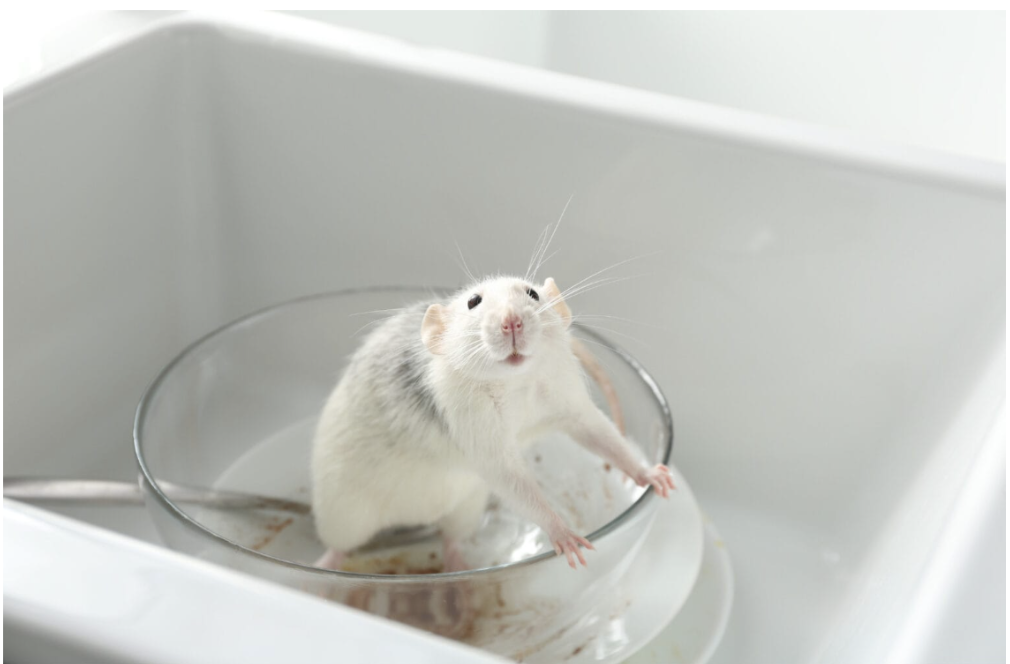
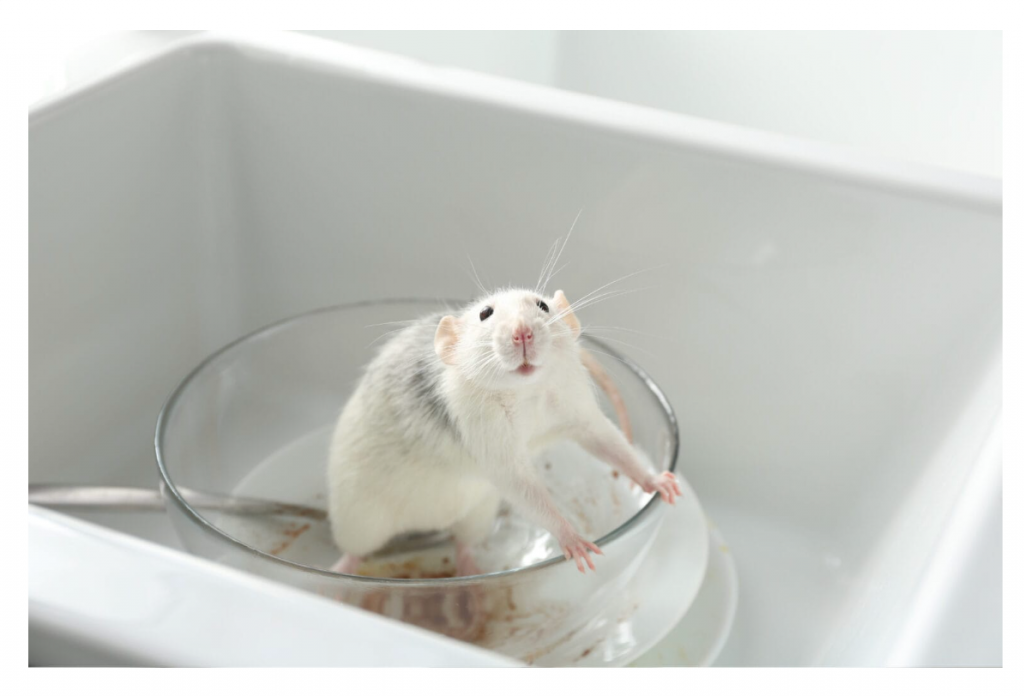
The Alliance conducted its exercise from February 10 to 13, monitoring nearly 20 Hantavirus-related rumors. These claims focused on the scale of the outbreak, routes of transmission, symptoms, and prevention methods. Some posts alleged that “in Da’an District, two out of every four rats carry Hantavirus,” or that “disease-control personnel were collectively infected while carrying out rodent extermination.” Others claimed that “the Taipei City Government has placed poisoned bait for rats in parks,” warning pet owners to be cautious.
Hantavirus is a zoonotic infectious disease mainly transmitted by rodents. As Hantavitus rumors spread, social media feeds filled with videos of rats on city streets and posts warning people to “beware of squirrels in parks.” At the same time, several media outlets cited an influencer doctor, selectively claiming that the fatality rate of Hantavirus infection is “as high as 90%,” or that “inhaling dust while cleaning carries a 90% fatality rate,” risks that could easily cause public panic.

With Taiwan set to hold local mayoral elections in November, including in Taipei, many discussions deliberately linked rodent control to politics. Some posts alleged that incumbent Taipei Mayor Chiang Wan-an, who is expected to seek re-election, and former mayor Ko Wen-je had cut the rodent-control budget, causing a surge in rat infestations.

Alliance publishes fact-checks to correct errors and debunk myths
Overall, Hantavirus is not a common infectious disease in Taiwan. The Hantavirus death reported in Taipei was the first fatal case in the 25 years since Hantavirus was made a notifiable disease. The strain most likely to be detected in Taiwanese rodents is the Seoul virus, which causes comparatively mild illness and has a fatality rate of about 1–2%, far lower than the figures cited in rumors. Human-to-human transmission is also extremely rare.
During the exercise period, the Alliance published seven fact-check reports to debunk the major rumors and provide accurate public health information about Hantavirus. It is worth noting that Hantavirus itself did not meet the Alliance’s threshold for an “emergency event”; rather, the collaboration was launched because of the nature and timing of the rumors and the need to test the emergency response mechanism.
Summary of Hantavirus rumor checks by the Taiwan Fact-Checking Alliance
| Rumor content | Fact-check result | Fact-check report link |
| The CDC says that in Da’an District, two out of every four rats have Hantavirus. 🐭🐭🐭🐭🦠 Things are more serious than people think. 🦠 | The CDC’s Jan. 30 press release said that after a Taipei patient died, four rats were trapped near the person’s home, and two tested positive for Hantavirus. That is completely different from the claim that “two out of every four rats in Da’an District have Hantavirus.” | https://tfc-taiwan.org.tw/fact-check-reports/cdc-daan-district-hantavirus-rat-claim-false/ |
| There was a Hantavirus rat outbreak in Taipei’s Dongmen and Yongkang Street area; don’t go there for now. | Taipei did confirm one local Hantavirus case on Jan. 30, but as of the fact-check’s publication, there were no new cases. The Taipei Environmental Protection Department said it had not received mass complaints about large numbers of rats in the Dongmen/Yongkang Street area. | https://www.mygopen.com/2026/02/taipei.html |
| During Ko Wen-je’s time as Taipei mayor, rodent-control funding was cut. The capital became a city of rats. Rodent-control funding has still not been restored under Chiang Wan-an. | Both Ko and Chiang increased the rodent-control budget. | https://tfc-taiwan.org.tw/fact-check-reports/taipei-mayors-increased-rodent-control-budget-claims/ |
| A home remedy for rat control: crush instant noodles, mix the seasoning oil with 20–30% cement powder, coat them evenly, place them out for a few hours, and two days later, collect the carcasses. | The “cement rat-control method” is broadly feasible, but it may also cause problems such as foul-smelling carcasses and accidental ingestion by pets. If there are rats at home, physical traps should still be the first option; if those do not work, consider rodent bait containing anticoagulants. | https://www.mygopen.com/2026/02/BASF.html |
| People think Hantavirus is spread by rat bites, but that’s wrong. The most dangerous transmission route is “breathing”: 1) rat droppings dry into dust, 2) you inhale it while sweeping or cleaning, 3) you get infected directly. | Infection can occur through inhalation of virus-containing aerosols, including those contaminated with feces, urine, and saliva. However, the way the rumor is phrased is overly simplistic and misleading. | https://www.mygopen.com/2026/02/infect.html |
| There is Hantavirus in Da’an District, and the Taipei City Government has already placed rat poison in Da’an Forest Park. Maybe all Taipei parks have poison bait, so people should leash their cats and dogs. | Park management uses rat traps and blocks rat holes; it does not use rodent poison bait to avoid poisoning animals such as crested goshawks that might eat poisoned carcasses. Parks are open, well-ventilated spaces and are not high-risk places for Hantavirus transmission. | https://cofacts.tw/article/2x9ytb0kjibel |
| Da’an Forest Park has many squirrels. Since squirrels and rats are both rodents, there is concern that they may pose a risk of infection. Hantavirus infection initially presents like a cold, and if a single symptom appears, 80–90% of patients die. | The Hantavirus types detected in Taiwanese rats are mainly the Seoul virus, which causes milder illness. According to WHO statistics, the fatality rate is about 1–2%. Hantavirus pulmonary syndrome has a fatality rate of about 30–50%, but it mainly occurs in the Americas. | https://tfc-taiwan.org.tw/fact-check-reports/hantavirus-not-pandemic-in-taiwan-dominant-strain-low-fatality/ |
Note: The rumor content has been edited and shortened; please refer to the fact-check reports for the original wording.
Cross-organizational cooperation against information threats
Taiwan faces serious misinformation threats, shaped by its unique geography and geopolitical environment. In October 2024, the Taiwan FactCheck Center launched the Taiwan Fact-Checking Alliance to strengthen cooperation and communication, pool the strengths of Taiwan’s fact-checking organizations, and improve their ability to respond to misinformation during major social events.
As of February 2026, the Alliance had three member organizations: the Taiwan FactCheck Center, which is accredited by two international fact-checking bodies, MyGoPen, and the citizen-collaborative fact-checking community Cofacts.
Under the Alliance’s emergency response mechanism, when major social events—such as natural disasters, military conflicts, or public health crises—trigger the widespread circulation of harmful false information and a surge in public demand for reliable information, the Alliance activates its response system. Member organizations then divide responsibilities for monitoring and fact-checking, aiming to maximize the use and sharing of staff and data while avoiding duplication of effort.
To ensure accurate information reaches communities across Taiwan, the Alliance also works with media outlets, civil society organizations, and other external partners. After fact-checking organizations publish their reports, these partners share the verified information through their own channels and networks.
By the end of February 2026, seven media and civil-society organizations had signed memoranda of understanding with the Alliance and joined as dissemination partners: Public Television, Chinese Television System, the Central News Agency, Radio Taiwan International, a grassroots group focused on media literacy for older adults, the National Association for the Promotion of Community Universities, and the Taiwan Association of Migrant Sisters.
Public Television and CTS are part of the Taiwan Public Television Service, which has recently expanded into fact-checking. CNA is Taiwan’s national news agency, providing news services to domestic media. RTI is Taiwan’s national broadcaster, currently offering programming in 20 languages to more than 140 countries. These outlets have long been rooted in Taiwan, with large, stable audiences and extensive distribution networks, helping fact-checking organizations reach a wider public.
Among civil-society partners, the National Association for the Promotion of Community Universities manages 90 community colleges across Taiwan and has worked in recent years to integrate media literacy into their curricula. The Taiwan Association of Migrant Sisters focuses on empowering new immigrants, advocating for their rights, and promoting legal and policy reform; since 2023, it has also run media literacy activities for Indonesian migrant workers.
Reposted from the TFC website in collaboration with StopFake as part of the Ukraine–Taiwan Initiative for Election Information Resilience.