
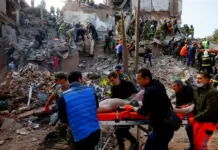
Russian Attacks on Ukrainian Civilians May Have a Domestic Dimension
Bombing civilians does not win wars. Striking non-military targets creates humanitarian disasters and severely damages the perpetrator’s international standing, but it also cannot typically secure victory.

How Coordinated Inauthentic Networks Amplified Fears of War and National Loss Before Armenian Elections
By Givi Gigitashvili (DFRLab), Hasmik Hambardzumyan (FIP.am), Roman Osadchuk (LetsData), Tetyana Prokopiv (LetsData), Andreas Sjöstedt (Erebus) and Victoria Olari (DFRLab), for DFRLAb Our investigation found…

How to Justify Crimes Against Humanity: the Kremlin Method
Pro-Kremlin commentators deny proven war crimes against civilians The “Nazi Ukraine” narrative is used once again to justify Russia’s aggression Fabricated threats become fuel for escalation LAST WEEK IN…
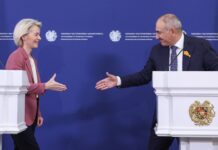
Russia banned Armenian tomatoes. A fake Politico story blamed Europe
A fabricated claim reached eighteen languages in 29 hours, pushed by coordinated actors. BGivi Gigitashvili, Sopo Gelava and Ani Grigoryan, for DFRLAb As Armenian farmers protested over difficulties selling…

Bucha Denial at UNGA and Nazi Narratives Justifying Strikes on Ukraine
Russia uses UNGA to demand “proper investigation” into its well-documented war crimes in Bucha Ukrainian officials accused of child trafficking while Russian officials are wanted by the ICC for the same crime…

Storm-1516 operation targets the Baltic states
Operation publicly attributed to Russia’s military intelligence attempts to undermine international trust in the Baltic states’ ability to defend itself and support Ukraine.

Russia’s Baltic Escalation Playbook: Fear Is Part of the Strategy
Russia is promoting a picture of the Baltic region in which NATO is preparing to attack Russia, Baltic governments are heavily militarising, and Russian speakers face imminent persecution.

Moscow Cries Fraud Abroad While Fixing the Vote at Home
Moscow routinely portrays elections in democratic countries as fraudulent and controlled from abroad. Yet Russia’s own parliamentary election offers no genuine political choice: the Kremlin controls the field and has eliminated even the possibility of voting against the war in Ukraine.
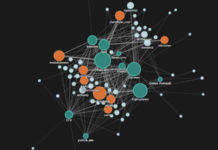
How Russian content sought to influence Armenia’s electoral information space
By Sopo Gelava, Givi Gigitashvili, Andra-Lucia Martinescu, Marius Dima, Nicolae Tibrigan, Lusine Voskanyan, Yuliia Dukach, for DFRLAb Ahead of Armenia’s parliamentary elections on June 7, Armenian pro-Russian media outlets and Telegram channels intensified their activity compared to 2025.

From Denial to Exploitation: How the Kremlin Has Adapted Its Climate Disinformation
In the latest wave of climate-related narratives spread by the Kremlin, climate change is a vehicle to reinforce familiar disinformation tropes: the alleged authoritarianism and hypocrisy of the EU, Europe’s…