

It’s not just the content, it’s the business model: democracy’s online speech challenge
Abstract This report, the first in a two-part series, articulates the connection between surveillance-based business models and the health of democracy.
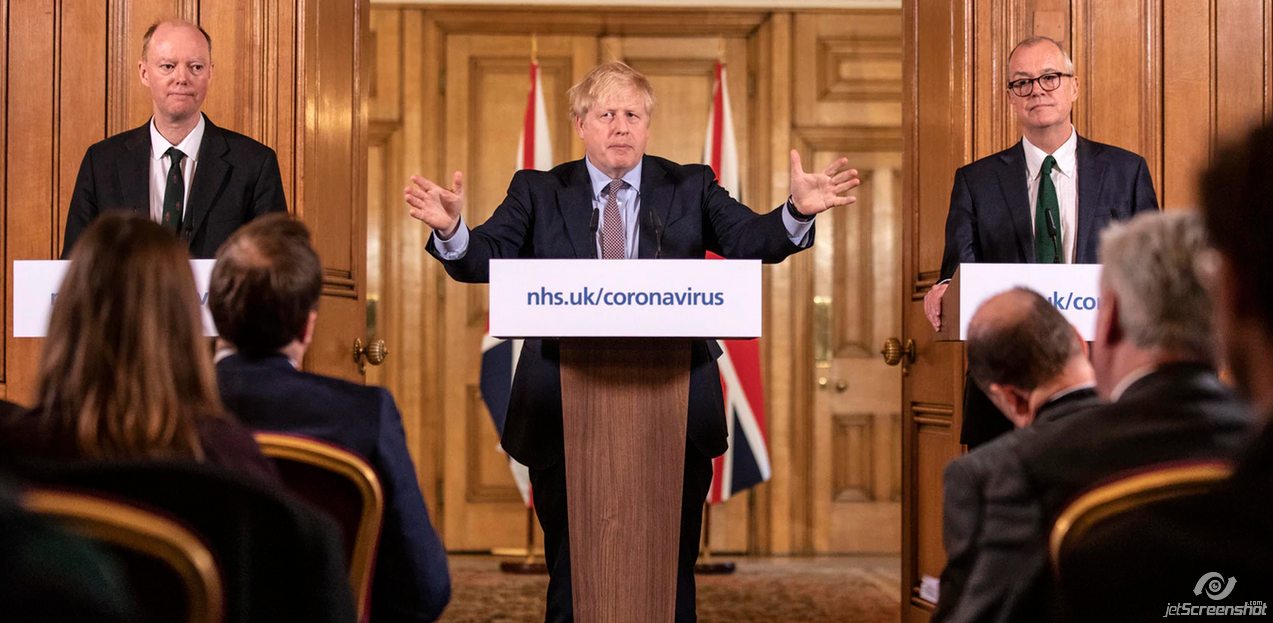
COVID-19: to counter misinformation, journalists need to embrace a public service mission
As COVID-19 spreads globally, so has misinformation about how to counter it. From politicians downplaying the risk it poses to public health to journalists tweeting false claims about who can be infected…

A Weeks’ Worth of Crazy Coronavirus Fakes
As the number of people around the world infected by the Covid-19 pandemic grows, so does the number of fakes concerning this deadly virus.

Infowars’ Jones hawked ‘nanosilver toothpaste’ fake coronavirus cure
“The patented nanosilver we have, the Pentagon has come out and documented and Homeland Security has said this stuff kills the whole SARS-corona family at point-blank range.
For the Kremlin, COVID-19 is not just a crisis, it’s an opportunity
rules-based international order with one based on spheres of influence, great power imperialism, and limited sovereignty for small states.
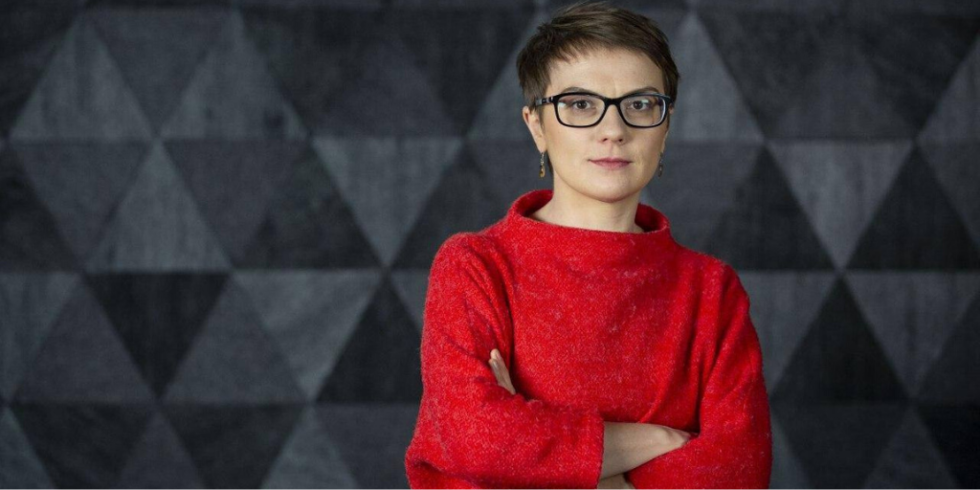
“If you want to know, you can know”
Nataliya Gumenyuk is a Ukrainian journalist and the author of the book The Lost Island, which was published in Kyiv in February 2020.
Common crisis: The implications of COVID-19 for the Transatlantic Alliance
Alliance cohesion is under increasing strain amid public squabbling between member governments and growing fears of both the likely death toll and the economic damage. NATO has been all but invisible.

Four super fake coronavirus claims (that we saw today)
Fake coronavirus claims are all over the internet. Below we correct a few claims about the virus origin, diagnosis, prevention and cures.

Moscow triangle: Russia, the European far right, and the “Third Party” to tango noir
Relations between various Russian actors and European far-right parties have been the focus of many discussions in the mainstream media and expert publications in recent years.

How British, German, and US media cover Crimea’s annexation and the Donbas war
and the Donbass war. It shows that initially an “international conflict frame” was used as the dominant way to interpret Crimea’s annexation, which in about three months was succeeded by a “local conflict frame,” then used as the most prevalent way to make sense of the enduring Donbass war.