
MH17 - search results
If you're not happy with the results, please do another search
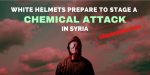
Smear campaign against civilian rescuers in Syria continues
On 6 February, the UN Commission of Inquiry on Syria released a statement saying that it was investigating multiple reports that bombs allegedly containing weaponised chlorine had been used in the town of Saraqeb in Idlib and in Douma in eastern Ghouta.
What Lavrov’s Lies Mean for Ukraine
Voltaire reportedly said that those who can persuade one to believe absurdities will lead one to commit atrocities.

Kremlin Watch Briefing: “Normal course of diplomacy” between the United States and Russia?
“Normal course of diplomacy”: The Trump administration has scheduled talks to be held in late January between the head of US forces in Europe, Army General Curtis Scaparrotti, and the chief of the Russian armed forces and deputy defense minister, General Valery Gerasimov.
The Fake News Stories That Reeled In Russians In 2017
Fake news -- or at least global discussion of the phenomenon -- continued to flourish in 2017, so much so that Collins Dictionary named the term its Word of the Year.

Seven things you should know about pro-Kremlin disinformation
Claims made in pro-Kremlin fake news stories are sometimes simply taken out of the blue. This has for example been the case when it has been claimed that Malaysian Airlines flight MH17 was shot down by…
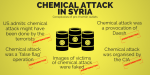
The pro-Kremlin toolbox for disinformation about chemical attacks
On Thursday, the UN-OPCW Joint Investigative Mechanism (JIM) is about to release a report on who was responsible for a chemical attack on 4 April on the town of Khan Sheikhoun in Syria.

Three things you should know about RT and Sputnik
RT (Russia Today) and Sputnik are the two foreign language flagships of Russia’s campaign to influence international public opinion.
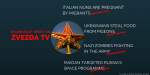
Dependent media – Russia’s military TV Zvezda
“The chemical attack in Idlib in Syria on 7 April this year was a piece of “fake news” and a staged operation from the side of the rebels, which aimed at discrediting Syria’s government forces”.

Advanced Guide on Verifying Video Content
One of the most common issues for researchers and journalists is verifying user-generated video content, most often found on social networks and file sharing platforms, such as YouTube, Twitter, Facebook, and so on.

Mark Galeotti: It’s the Russians Wot Done It (Op-ed)
The Kremlin is a convenient villain for our troubled times — and that narrative is playing right into Putin’s hands.