

Disinformation mash-up: MH17 and coronavirus
What do the MH17 investigation and coronavirus have in common? According to pro-Kremlin disinformation, both are apparently nothing more than Russophobic attacks by the West against an innocent Russia.

The impossible conspiracy fuelling Russia’s MH17 defence
Ahead of the commencement of the MH17 trials in the Netherlands on March 9, 2020, various Russian government officials have made statements defending Russia against accusations that Russia provided the Buk missile launcher that shot down MH17 on July 17, 2014.

Occupy the information space!
The Russian Institute for Strategic Studies, RISS, a Kremlin-funded think tank, published recently an essay with the title “Securing Information for Foreign Policy Purposes in the Context of Digital Reality”.
Vulnerable Europe: EU braces for new refugee and pandemic crises
While the number of coronavirus (COVID-19) cases continues to grow, a new wave of Middle Eastern refugees could spill over Europe’s southern borders.
Second anniversary of Salisbury Novichok poisoning: a look back
Although two years have gone by since the poisoning of Sergei and Yulia Skripal, disinformation narratives by the pro-Kremlin media are still shocking to read.

Coronavirus meets Hollywood
While the volume of disinformation cases about the coronavirus levelled off this week, their creativity did not disappoint.

The Baltic Pipe сase: disinformation at the service of the Kremlin’s energy policy
outlets: becoming independent from Russian gas is just a bad idea. A new gas supply corridor is under construction in the European energy market.
Propaganda сomes at a сost
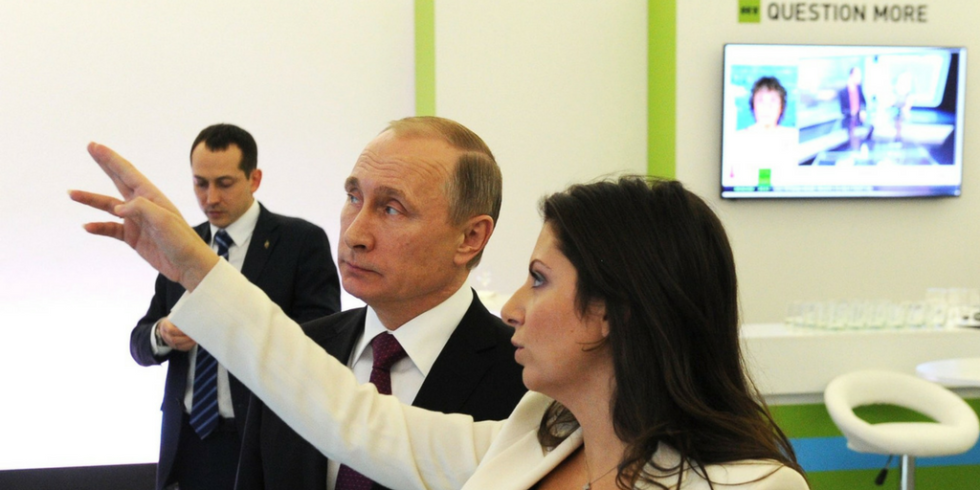
Russian political decision makers continue to prioritise running disinformation campaigns at home and abroad. One of the implementers of this policy, the chief editor of RT, Margarita Simonyan (above), has compared the network she leads to “a ministry of defence”.

Out-of-context photos are a powerful low-tech form of misinformation
When you think of visual misinformation, maybe you think of deepfakes – videos that appear real but have actually been created using powerful video editing algorithms.
Sanctions on the spotlight: disinformation targets Latvia
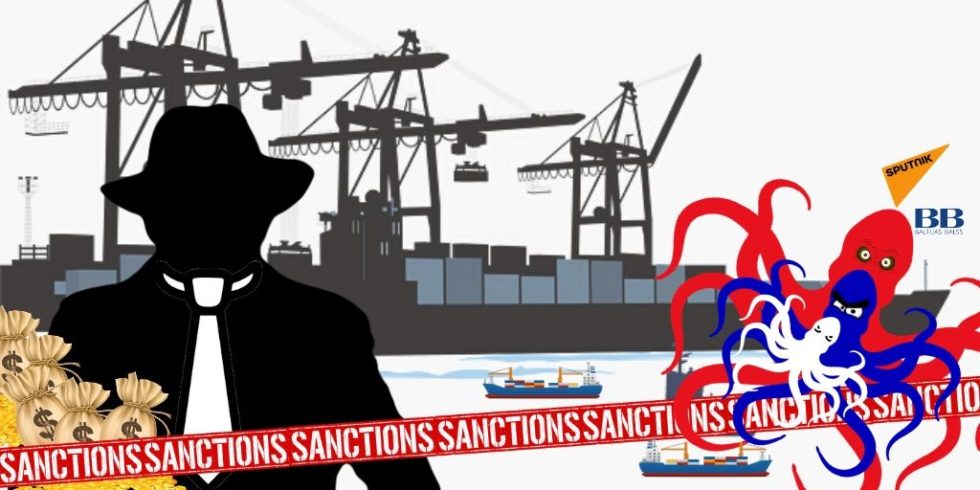
sanctions. Starting from December, pro-Kremlin outlets have been targeting Latvia and accusing it of Russophobia and of acting as a US puppet and a failed state, new analysis by the Centre for East European Studies (CEEPS) has found.