

The Useful Idiots Show
During the 1950s, there was a term that was sometimes used to describe people who were exploited by Soviet communists to publicly support their ideology. The term was “useful idiots.
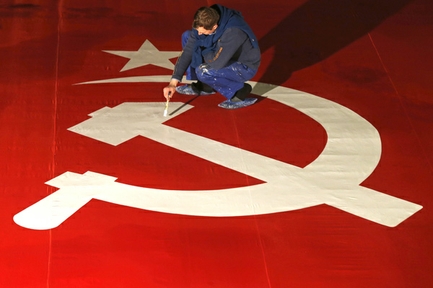
‘Russian Identity is the Soviet Identity of Today,’ Russian Government Advisor Says
Supra-national Russian identity today, Anton Bredikhin says, is the successor of “the Soviet man” and “the Soviet people” and is thus different from and in opposition to Boris Yeltsin’s policy of calling on…
The Rise of the New Authoritarians?
The West cannot resort to Cold War–style containment strategies with China and Russia, John Hemmings wrote for The national interest.
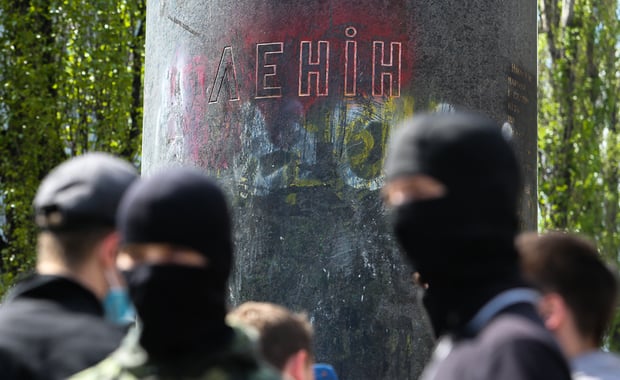
Gulliver Cragg: Lessons from an outrageous film
Paul Moreira, a French filmmaker, is famous for hard-hitting investigations that show viewers “what the authorities don’t want you to see.

Just How Bad is Putin? Ever More People Are Counting the Ways
As the number of Vladimir Putin’s violations of international law and normal morality grows, ever more people are offering lists of the actions for which he must be held accountable.

Putin vs. Lenin?
Last week, AP reported that President Putin had “denounced Lenin and his Bolshevik government for their brutal repressions and accused him of having placed a “time bomb” under the state”, Nina Jobe wrote.
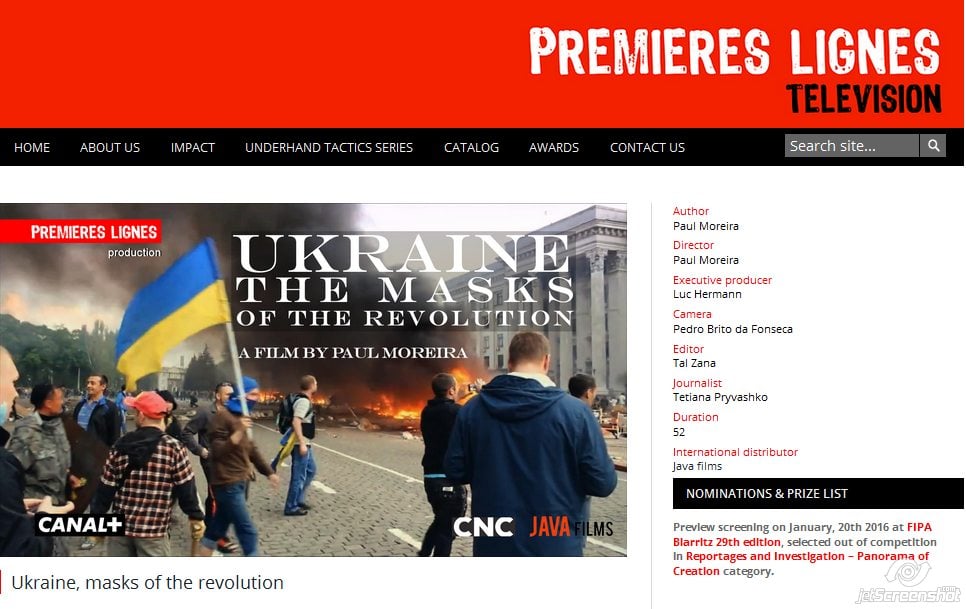
On “The Masks of the Revolution” – and on the ethics of journalism
This is a personal opinion post published ahead of the screening of “Les Masques de la Révolution”, on French Canal +, on 01/02/2016 A few words on “Les Masques de la Révolution – The Masks of the Revolution”, by Paul Moreira, to be shown on French TV on Monday, 1st February.

‘Russia is interested in ruining Ukraine’s image ahead of Dutch referendum’ – Fedchenko
It looks like Kremlin's traditional tactics to use fake video threats, says StopFake.org website founder Ukraine Todays Viewpoint is joined by the director of Mohyla School of journalism, one of StopFake.org…
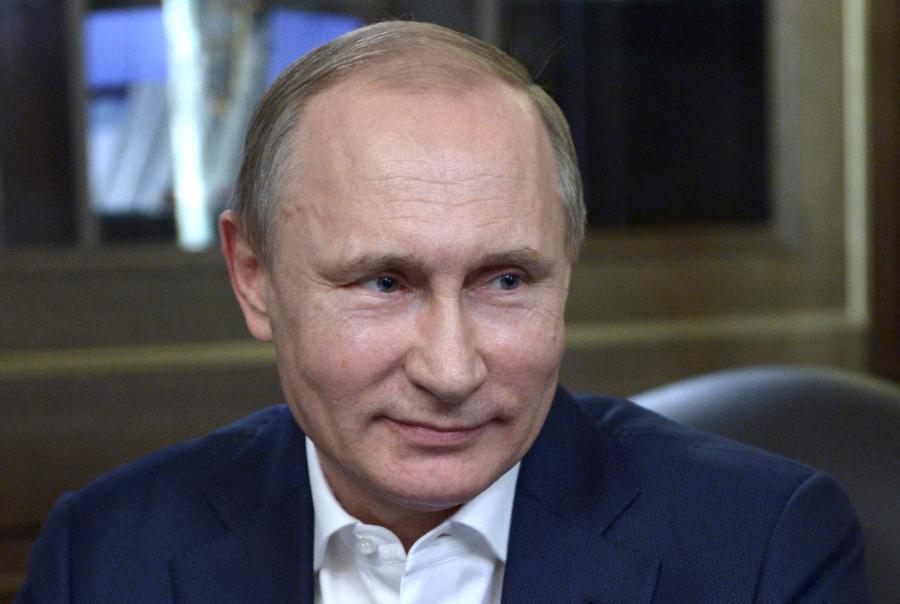
The Flaws of the Putinversteher’s Russian Hermeneutics
How the escapist axioms of Western apologies of Kremlin policies distort our understanding of the origins and motives of Russia’s current domestic and foreign behavior, Andreas Umland writes.

Stereotypes paralyze Russia’s potential for change
The Russian opposition and Western analysts have pointed out repeatedly that Russia’s authorities are actually a “Chekist clan” – former KGB officers who obtained control over the country’s basic resources.