
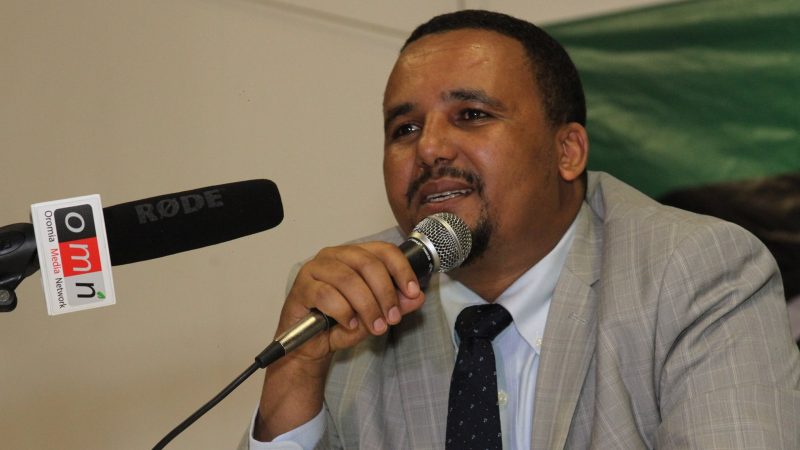
In Ethiopia’s disinformation epidemic, the crumbling ruling coalition is the elephant in the room
This story is the second in a two-part series on online disinformation and politics in Ethiopia. You can read the first part here.

Singular or plural?
Russian grammar can be difficult – even to a native speaker. However, in some Russian media, linguistic mistakes appear out of a wish to produce stories that fit the Kremlin’s narrative.

KREMLIN WATCH STRATEGY for Countering Hostile Russian Interference
Prague-based European Values Center for Security Policy has just launched its KREMLIN WATCH STRATEGY, which is a policy document suggesting 20 specific measures to be taken against Russian governmental interference in European democracies.
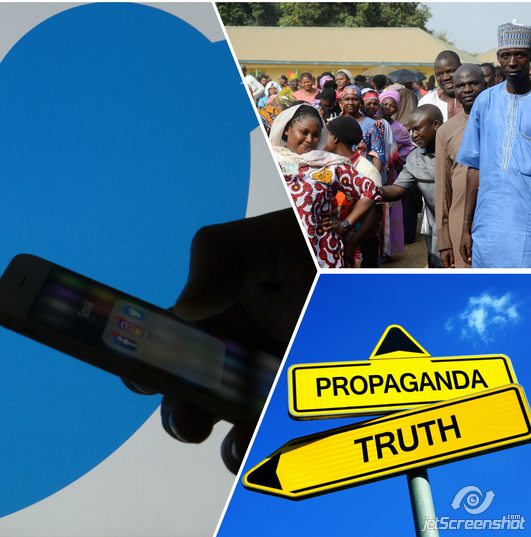
Twitter was a minefield of false information during the 2019 Nigerian elections
Ethnic hate speech and disinformation were rife on Twitter. This story is the second in a two-part series on online ethnic hate speech, disinformation and propaganda during the 2019 Nigeria elections.

One World, one author, one chain of command
The “One World Global Think Tank” is a new addition to the pantheon of Moscow-based disinformation outlets, publishing material in English.
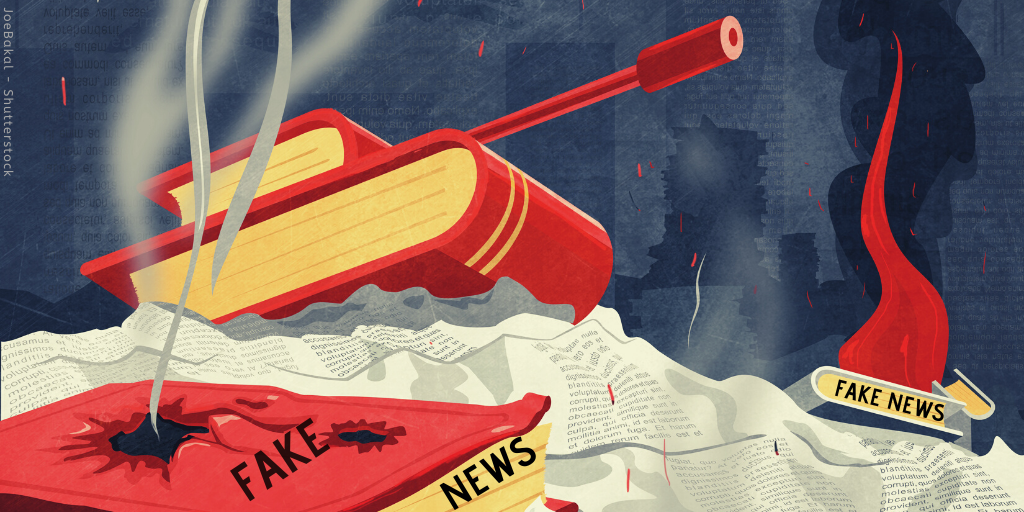
Fighting the disinformation virus: Georgia edition
This week the Disinformation Review comes to you straight from Georgia, the land of ancient traditions, home of the “first Europeans”, site of unique modern architecture, and a favourite target of pro-Kremlin disinformation.
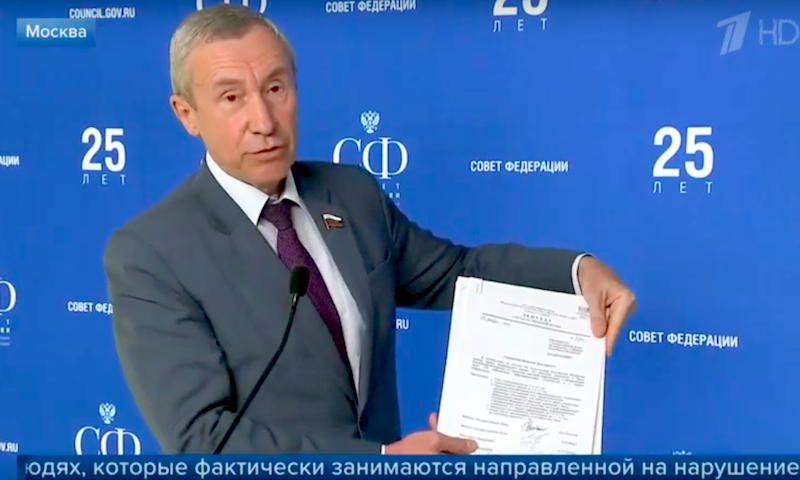
In Russia, individuals can now be branded ‘foreign agents’
Today, Russia's State Duma passed the third and final reading of a new bill expanding the scope of the country's controversial “foreign agent” law.

Who becomes a Reddit conspiracy theorist? They have these things in common
Plus: “Subtly inducing people to think about the concept of accuracy decreases their sharing of false and misleading news relative to accurate news,” and the scariest deepfakes of all.
Kremlin Watch Briefing: NATO is allegedly brain-dead. What does the Kremlin think?
Russia takes advantage of the power vacuum in the Balkans to expand its economic and political influence. US Senate sheds light on GRU's online operations and pseudo-think tanks.

Governments countering disinformation: the case of Italy
is far from consensus on the size of these problems, nor the solutions. Policy makers have introduced initiatives ranging from media literacy education to a ‘red-button service’ allowing citizens to report fake news to a special cyber police unit.